
Chronic soreness, tight muscles, and lingering aches are becoming more common as people spend long hours on computers, in cars, or under training stress. Fortunately, two powerful at-home therapies—red light therapy and massage—work incredibly well together to relieve pain naturally.
Here’s how to use both for maximum results.
How Red Light Therapy Works
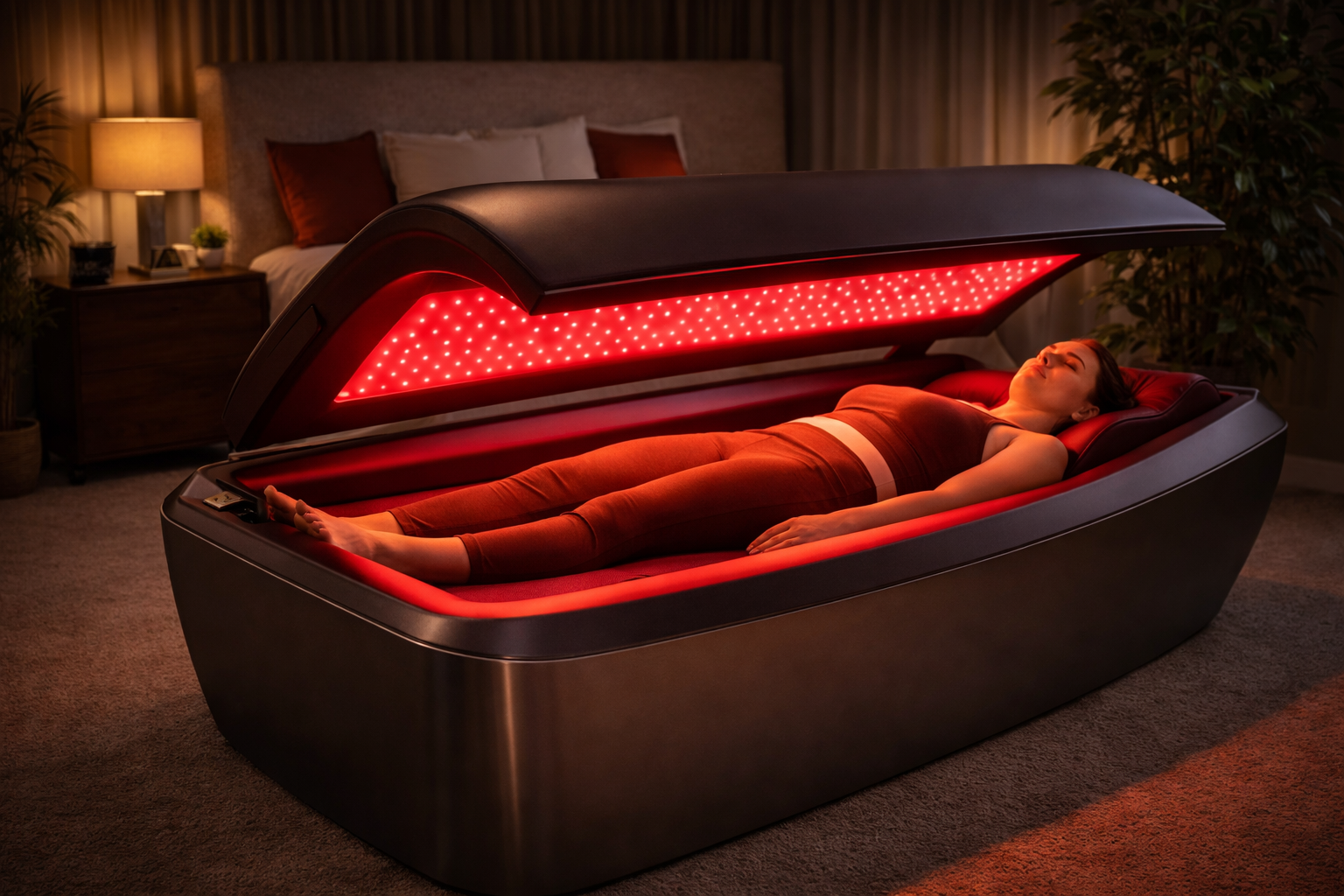
Red and near-infrared light penetrate the skin and stimulate cellular energy production. This boosts circulation, reduces inflammation, and supports tissue repair.
Benefits of Red Light Therapy:
- Reduced joint and muscle pain
- Faster recovery from workouts
- Improved skin tone and elasticity
- Enhanced cellular regeneration
- Reduced inflammation
- Better circulation
It’s painless, relaxing, and takes only 10–20 minutes per session.
How Massage Complements Red Light Therapy
Massage—whether through a massage gun, manual technique, or an automated massage chair—works on the muscular and fascial layers.
Benefits of Massage:
- Releases tight muscles
- Increases blood flow
- Improves mobility
- Reduces trigger points
- Enhances relaxation
- Supports lymphatic drainage
Massage provides immediate tension relief, while red light therapy helps address underlying inflammation and cellular repair.
Why They Work So Well Together
Red light therapy and massage create a powerful synergy:
- Red light prepares the tissue, making muscles warm and pliable
- Massage becomes more effective with relaxed tissue
- Inflammation decreases at a cellular level
- Pain signals diminish
- Circulation increases on both surface and deep levels
The combination provides deeper, longer-lasting relief than either modality alone.
How to Build a Simple At-Home Pain Relief Routine
Step 1: Start With Red Light Therapy
Apply red light to the affected area for 10–20 minutes.
Focus on areas like:
- Lower back
- Neck and shoulders
- Knees
- Hamstrings and calves
- Elbows or wrists
Move slowly and keep the panel or device roughly 6–12 inches away, following the manufacturer’s guidelines.
Step 2: Follow With Massage
Use long, slow strokes or a massage gun on low to moderate settings.
Prioritize:
- Tender points
- Tight fascia
- Muscles with limited mobility
Massage should feel relieving, not painful. Ease into deeper pressure over multiple sessions.
Step 3: Finish With Hydration and Light Stretching
After increasing blood flow and releasing tension, support your body by:
- Drinking water
- Doing gentle mobility for 3–5 minutes
- Avoiding heavy lifting immediately afterward
This helps flush metabolic waste and enhances recovery.
Who Can Benefit Most
This combination is ideal for:
- Desk workers
- Athletes
- Individuals with chronic stiffness
- People recovering from minor muscle injuries
- Anyone seeking non-medicated pain relief
Final Thoughts
Red light therapy and massage are powerful on their own—combined, they create a holistic, convenient pain-relief system you can use anytime at home. With consistency, you’ll notice stronger mobility, less stiffness, and a calmer nervous system.
Shop Red Light Therapy Beds and Massage Chairs